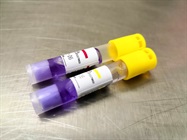
Clinical diagnostics controls are used to ensure that reagents and lab instruments are working within predefined specifications, thereby safeguarding the reliability of patient test results.
Quality control materials can be in
liquid or
lyophilized form and are usually made from human serum, spinal fluid, or urine, although nonhuman-based materials are available.
Types of clinical diagnostics controls
There are several types of clinical chemsistry controls. You can browse by format or by application, including
Considerations for purchasing clinical diagnostics controls
Stability is an important watchword when purchasing quality control products, both during storage and after reconstitution. A more expensive control with longer shelf life stability might actually be more cost effective, especially for a lab using lower volumes of control.
Browse through various solutions for your clinical diagnostics controls needs:
We're sorry, no matching articles were found. Please select different filter options and try your search again.
We're sorry, no matching articles were found. Please select different filter options and try your search again.
By submitting a product review you are not only sharing your experiences with others, but also gaining helpful insight from others in the research community.
Submit a Review