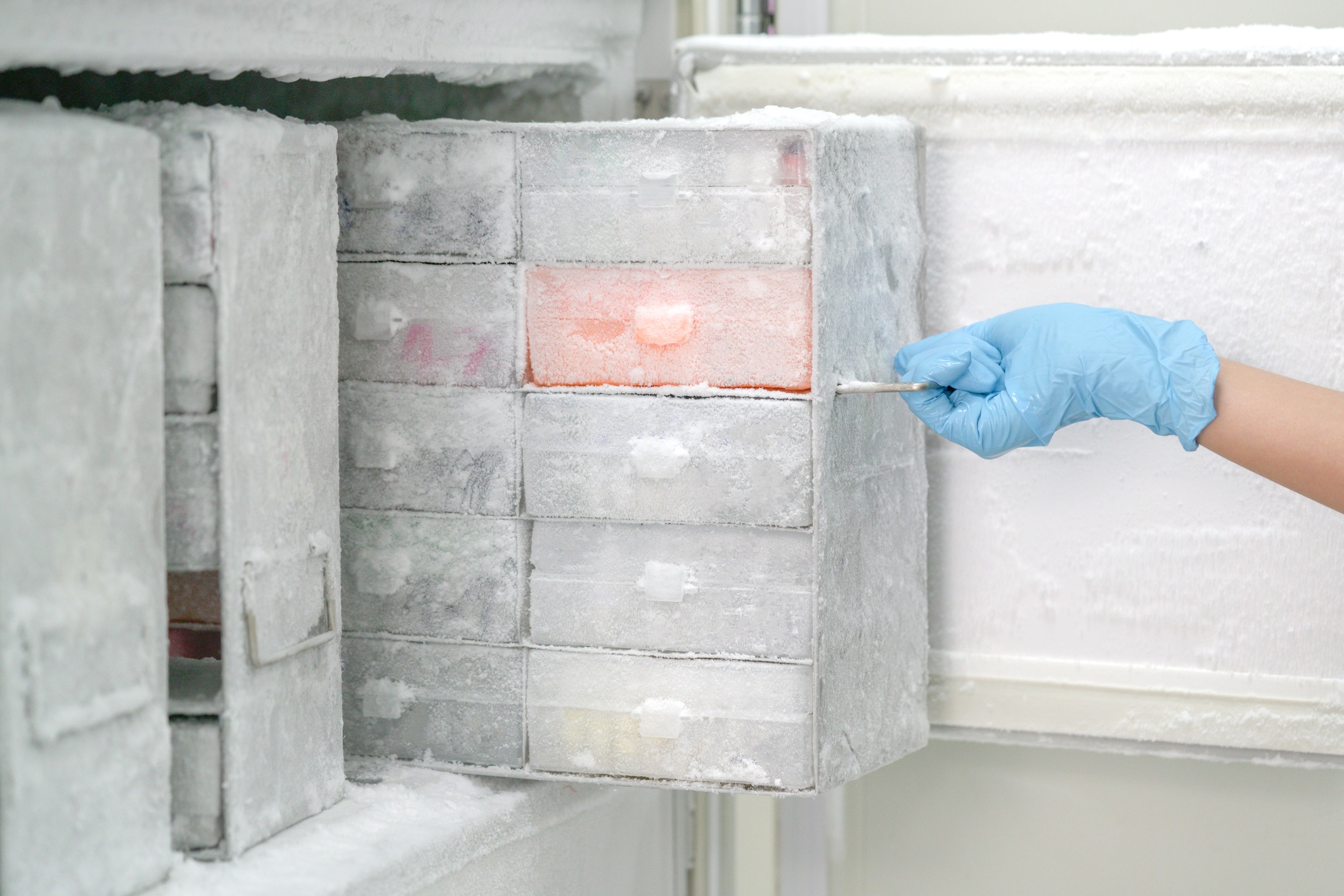
Cold storage is a critical part of laboratory workflows, from sample preparation to long-term storage. However, a single ultra-low temperature (ULT) freezer can consume as much energy as an average household, posing significant challenges to both operational costs and environmental sustainability. To address these concerns, laboratories should prioritize energy-efficient models and adopt best practices for reducing energy use. Equally important is evaluating the sustainability of cold storage manufacturers themselves. Labs can reduce their environmental footprint from the outset by selecting equipment designed with recycled materials, low-impact manufacturing processes, and more sustainable packaging. A holistic approach—addressing energy use, product lifespan and the environmental impact of production—helps ensure that labs can protect sample integrity while advancing sustainability goals.
Energy efficiency and operational impact
Cold storage equipment, especially ultra-low temperature (ULT) freezers operating at -80°C, is a significant source of energy consumption in the lab. According to the U.S. Department of Energy, a single ULT freezer can use as much electricity annually as an average household. Labs can reduce this impact by setting freezers to -70°C when sample requirements allow, which lowers energy use while maintaining sample integrity.
Advanced technologies, such as predictive analytics and remote monitoring of equipment, can further optimize performance. These systems can help identify maintenance needs early, preventing energy waste caused by poorly performing equipment. By monitoring operational efficiency, labs can maximize the lifespan of their cold storage units and reduce the need for premature replacements, which also reduces waste.
Evaluating the manufacturer’s environmental footprint
Sustainability in cold storage begins long before the equipment arrives at the lab. Choosing products from manufacturers that prioritize more sustainable practices is critical in helping reduce a lab's overall environmental footprint. Labs should consider selecting equipment made with more sustainable materials such as recycled aluminum and steel. It can also be helpful to look for products manufactured in facilities that run on renewable energy or adhere to zero-waste principles.
Packaging also plays a role in sustainability. Many manufacturers are transitioning to more sustainable options, such as polyethylene foam planks and corrugated cardboard made from recycled materials. These choices can help reduce the environmental impact of shipping and improve lab sustainability.
Reducing hazardous materials
The materials used in cold storage equipment are also evolving to reduce environmental harm. New ULT freezers often incorporate refrigerants and insulation materials with lower Global Warming Potential and zero Ozone Depleting Potential, without compromising the ultra-cold temperatures needed to protect valuable samples. By choosing manufacturers that integrate these advancements, labs can reduce the environmental footprint of their cold storage solutions throughout their life cycle.
Waste reduction through longevity
Sustainability also involves designing equipment for durability and extended life. Cold storage equipment that offers extended warranties and is designed for longevity reduces the frequency of replacements, ultimately cutting down on waste from both manufacturing and disposal. For example, investing in freezers with long-term warranties can help encourage proper maintenance and help ensure optimal performance, extending the equipment's life.
Certifications and transparency: A key to making informed decisions
To make more sustainable choices, labs must consider the transparency of their suppliers. Choosing suppliers that openly report their environmental impact can help labs feel confident in their supplier’s accountability and help align their purchasing decisions with their broader sustainability initiatives. Additionally, third-party certifications, such as My Green Lab’s ACT Label and the EPA’s ENERGY STAR® program, offer valuable insights into a product’s environmental performance. These certifications and others evaluate the sustainability of products based on aspects like manufacturing practices, energy consumption and end-of-life disposal. Labs should prioritize products with these certifications to help ensure they are investing in environmentally responsible equipment.
Balancing sustainability with performance and compliance
While sustainability is critical, labs cannot compromise on performance or compliance. To preserve sample integrity, cold storage products, such as ULT freezers, must maintain precise temperature control, uniformity, and rapid recovery times. Efficient temperature control not only protects samples but also reduces the energy demands of cooling systems.
Security features like electronic locks, real-time monitoring and event logging are also essential for compliance with regulations and industry standards. For specialized applications, like cell and gene therapy research, cold storage solutions must meet additional requirements, such as cleanroom standards.
Labs should also consider remote monitoring solutions, which help enhance sustainability and compliance by providing real-time insights into equipment performance. These solutions can notify labs of potential issues, support energy conservation efforts, and help ensure adherence to regulatory standards.
Future-proofing cold storage for long-term sustainability
Cold storage solutions must be designed with both current and future sustainability and regulatory requirements in mind. Manufacturers should adhere to globally recognized standards, such as ISO 9001 and ISO 13485, to help ensure durability, efficiency and compliance. These standards promote quality and environmental responsibility throughout the manufacturing process and help labs avoid the need for premature upgrades.
Staying ahead of evolving regulations requires continuous collaboration between manufacturers, laboratories and international regulatory bodies. By designing products that balance environmental goals with operational efficiency, manufacturers can offer labs solutions that remain compliant and sustainable for years to come.
Sustainability in cold storage is about more than reducing energy consumption. It encompasses the environmental impact of manufacturing, the use of sustainable materials, product longevity and responsible end-of-life practices. Labs can play a pivotal role in advancing sustainability by choosing equipment from manufacturers that are also prioritizing more sustainable practices. By investing in cold storage solutions that offer energy efficiency, durable design, and more sustainable production methods, labs can meet their operational needs while contributing to a greener future for scientific research.
About the author
Chase Heibel is a Director of Product Management for ULT Freezers and Fleet Optimization at Thermo Fisher Scientific, where for the last 12 years he has driven innovation and sustainability within the laboratory equipment industry. Chase's advocacy for environmental stewardship has resulted in industry-wide initiatives aimed at reducing carbon footprint, optimizing energy efficiency, and promoting sustainable practices, positioning Thermo Fisher Scientific as a pioneer in responsible innovation. This advocacy includes working with the U.S. EPA, GAMBICA and E.U. Commission for Ecodesign, and MyGreenLabs to shape industry standards and regulations in favor of more sustainable products.