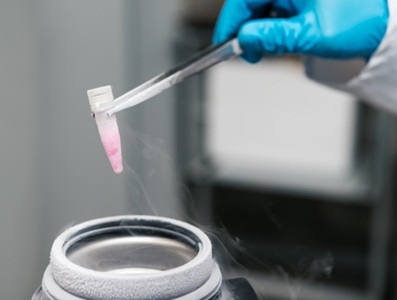
Cryopreservation is an essential technique in biological and medical research, allowing scientists to preserve cells, tissues, and even entire organisms at ultra-low temperatures. This process is crucial for various applications, including regenerative medicine, biobanking, and cell line development. However, successful cryopreservation requires meticulous techniques and an understanding of how to properly store cells to ensure their viability upon thawing.
Choose the Right Cryoprotectant
One of the most critical aspects of successful cryopreservation is selecting the appropriate cryoprotectant. Cryoprotectants, such as dimethyl sulfoxide (DMSO) and glycerol, help protect cells from ice crystal formation that can damage cellular structures during freezing. When choosing a cryoprotectant, consider the following:
Cell Type: Different cell types may have varying sensitivities to cryoprotectants. For instance, embryonic stem cells might be more sensitive than differentiated cells. Be sure to conduct preliminary studies to determine the most effective cryoprotectant for your specific cell line.
Concentration: Too high of a concentration of a cryoprotectant can be toxic to cells. A common starting point for DMSO is 10% (v/v), but optimization is essential.
Gradual Addition: When preparing cell suspensions for cryopreservation, add the cryoprotectant gradually to allow cells to acclimate to the protective agent. This may help minimize osmotic shock that can occur from rapid changes in the extracellular environment.
By taking the time to select and optimize the right cryoprotectant, researchers can increase the likelihood of preserving cell viability post-thaw.
Optimize Cooling Rates
The rate of cooling during the cryopreservation process significantly impacts cell survival. An optimized cooling protocol helps to minimize ice crystal formation and cellular stress. To achieve optimal cooling rates, consider the following aspects:
Controlled-Rate Freezers: Utilizing controlled-rate freezers allows for precise manipulation of cooling rates. These devices can typically cool samples at specific rates (often 1°C to 3°C per minute) to facilitate the formation of intracellular ice, which is less damaging to cells.
Cryovials and Insulation: Ensure that cryovials are filled correctly and that they are insulated. The use of isopropanol in specialized containers can help provide a consistent cooling rate. Avoid using liquid nitrogen directly for rapid chilling, as it can lead to uneven cooling and increased cell death.
Thawing Protocol: The cooling process should be complemented by a well-defined thawing protocol to prevent thermal shock. Rapid thawing in a warm water bath (37°C) is typically recommended to restore cells to physiological temperature quickly.
By focusing on optimizing cooling rates, researchers can enhance post-thaw cell recovery and functionality.
Monitor Cell Viability and Functionality
Post-thaw viability is critical for assessing the success of cryopreservation. Implementing a routine to monitor cell viability helps researchers understand the effectiveness of their cryopreservation protocols. Here are strategies to assess cell viability:
Trypan Blue Exclusion Test: This classic method involves staining cells with trypan blue, a dye that only penetrates dead cells, allowing researchers to distinguish between live and dead cells under a microscope.
Flow Cytometry: More advanced techniques such as flow cytometry can provide information on both cell viability and functionality. Specific fluorescent dyes can be applied that indicate live and dead cells, or even cellular activity, providing a comprehensive overview of the cell population after thawing.
Culturing and Functional Assays: Beyond assessing viability, evaluate the functionality of thawed cells through assays relevant to their intended use (proliferation assays, differentiation potential assays, or functional assays). This helps ensure that cells can perform their intended task post-thaw.
Regularly monitoring cell viability and functionality provides insight into the cryopreservation process and fosters the optimization of protocols for improved outcomes.
Implement Adequate Storage Conditions
Proper storage conditions are essential for maintaining the integrity of cryopreserved cells over time. Adequate storage ensures minimal temperature fluctuations and prevents thawing and refreezing cycles that could compromise cell viability. Consider the following tips for maintaining optimal storage conditions:
Use Liquid Nitrogen Storage: When feasible, store cryovials in liquid nitrogen tanks that maintain consistent low temperatures (-196°C). This is the gold standard for long-term storage, preventing cellular metabolic activity and preserving cell viability.
Monitor Temperature Regularly: Regularly checking temperature logs for cryogenic freezers or liquid nitrogen storage is essential. Implement alarm systems that alert personnel in case of temperature deviations that could impact cell storage.
Label and Organize Samples Efficiently: A well-organized system for labeling and cataloging cryopreserved samples reduces the risk of misidentification and contamination during retrieval. Include details such as the cell type, date of preservation, and any specific treatment notes.
By prioritizing storage conditions, researchers can maximize the longevity and viability of cryopreserved cells.
Develop Standard Operating Procedures (SOPs)
Creating and adhering to Standard Operating Procedures (SOPs) is fundamental for consistent and reproducible cryopreservation practices. SOPs standardize protocols and mitigate variabilities caused by differences in handling. Consider the following components when developing SOPs:
Step-by-Step Procedures: Clearly outline each step involved in cryopreservation, including cell preparation, cryoprotectant addition, cooling rates, storage conditions, and thawing protocols.
Training and Compliance: Ensure that all personnel involved in cell preservation are adequately trained on the SOPs. Regular training sessions help maintain best practices and reinforce the significance of following established protocols.
Continuous Improvement Feedback Loop: Establish a mechanism for regular evaluation and updating of SOPs based on new research findings or feedback from team members. This iterative approach helps adapt to advancements in cryopreservation techniques and technologies.
By implementing comprehensive and well-documented SOPs, laboratories can enhance the reliability and efficiency of their cryopreservation efforts.
Last thoughts
Cryopreservation is a powerful tool for storing cells for research and therapeutic use, but success depends on following best practices. Selecting appropriate cryoprotectants, optimizing cooling rates, monitoring cell viability, implementing proper storage conditions, and developing Standard Operating Procedures can significantly enhance the preservation of cellular functionality. By systematically addressing these critical elements, laboratories can ensure the viability and integrity of cryopreserved cells, paving the way for advancements in scientific research and medical applications.
About the author
Clark Jones has a PhD in pharmaceutical sciences with a bachelors degree in chemistry. He has worked in GLP-compliant labs as big as Pfizer and as small as start-up biotech companies. Jones currently works as a scientific writer of scientific reviews, blogs and research articles. He also works as an oncology writer for Teen Cancer America and partnered with the White House's Cancer Moonshot program to bring the latest cancer research to the general public.