by Santhosh Nair, President, Thermo Fisher Scientific, Immunodiagnostics Division
Despite decades of progress in diagnostic innovation, allergy remains one of the most under-tested and under-treated chronic health conditions in the world. It is estimated 500 million people globally suffer from allergic diseases including asthma, food, eczema and allergic rhinitis. However, most cases remain unidentified or incorrectly diagnosed, resulting in patients receiving ineffective treatments that fail to address the root cause of the symptoms. This diagnostic gap in healthcare systems worldwide constitutes a critical clinical oversight that often results in suboptimal management of immune-mediated conditions.
The World Allergy Organization reports that immunoglobulin E (IgE) sensitization, which drives most allergic conditions, affects between 30% to 40% of the global population. For example, the prevalence of food allergies among children in various nations leads to disruptions to their nutrition, development and quality of life. Respiratory allergies can lead to prolonged absences from educational institutions and workplaces. The incidence of skin allergies, such as atopic dermatitis, is rising in both developed and developing countries, often serving as an early indicator of ongoing immune system dysfunction.
The delayed diagnosis of these conditions has established itself as a primary challenge in allergy treatment. The increasing prevalence of complex allergic conditions requires a more immediate identification of trigger factors. And if there’s any absence of diagnostic testing in standard medical care, this will continue to prevent proper allergic condition management which will negatively affect patients and burden healthcare systems worldwide.
The Diagnostic Gap: Why Most Allergy Sufferers Go Untested
Despite the global prevalence of allergic diseases, the majority of patients experiencing symptoms never receive formal diagnostic testing. Many patients remain uncertain about their symptoms' origins because they receive repeated treatments for sinus infections, gastrointestinal issues and asthma without discovering their underlying causes.
Misattributed Symptoms, Missed Diagnoses
Allergic conditions often present symptoms that overlap with other common disorders. Chronic nasal congestion may be treated as a sinus infection. Gastrointestinal distress might be labeled as intolerance or reflux. Skin irritation may be dismissed as eczema without exploring underlying triggers. Without allergy diagnostics, these symptoms can remain misattributed, and patients will continue to receive short-term, symptom-focused care that doesn’t necessarily address the immune mechanism behind their condition.
Location Shouldn’t Determine Diagnosis
Access to testing is also deeply influenced by geography and infrastructure. Patients who live in rural areas and other underserved communities face challenges because their locations lack sufficient testing facilities and nearby allergy specialists. Patients often must either cope with diagnostic uncertainty or face long waits for referrals to specialists in distant locations.
Primary Care: Positioned, But Under-Resourced
Most patients begin their medical journey by visiting primary care or community-based facilities, but some primary care providers (PCPs) lack diagnostic allergy training and are unsure of what tests to order. For many clinicians, allergy testing has traditionally been seen as a specialist domain, but that model is evolving.
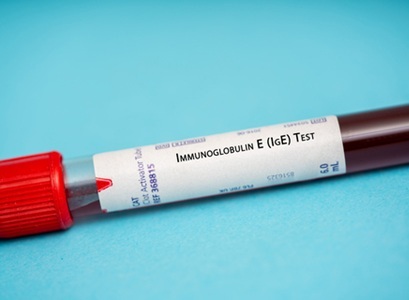
Primary care clinicians today have the ability to order and interpret IgE blood tests for detecting allergic sensitizations without requiring specialist consultation. These serological tests are obtained no differently than any other standard laboratory test and are accessible in most healthcare settings, from outpatient clinics to remote or rural practices.
Rebalancing Access to Allergy Diagnosis
As allergy testing becomes more accessible and interpretable within primary care workflows, the diagnostic process can begin earlier – often at the first point of clinical contact. This reduces the need for multiple referrals, shortens the time to diagnosis, and ensures more patients receive targeted interventions sooner.
The change enables equitable access for all patients, especially those in under-resourced areas, providing diagnostic insights that used to be available only in specialist facilities. The ability of more clinicians to better diagnose and manage allergic diseases allows more personalized care and improved efficiency within the healthcare system.
Why IgE Testing is Foundational to Allergy Management
The most critical benefit of allergy testing is to aid in the identification of all suspected individual allergic triggers that may be contributing to a patient’s symptoms. Through blood tests, clinicians can measure allergen-specific IgE antibodies to help identify allergic sensitization and determine the responsible allergens. A more precise diagnosis through these tests allows medical professionals to provide focused treatments that ultimately result in better symptom management.
Unlike skin prick testing, IgE blood tests offer several practical advantages that make them well-suited for use across a broader range of care settings. Because blood testing does not involve direct exposure to allergens, it presents no risk of inducing a reaction and can be used safely in patients with skin conditions, severe eczema, or antihistamine use. It also allows testing in situations where immediate specialist access is not available – an important factor in under resourced regions.
Specific IgE tests, such as ImmunoCAP specific IgE assays, can aid in the diagnosis of suspected allergic mediated conditions, including food allergies, environmental respiratory allergies (such as pollens, molds, insects, pets, rodents), and stinging insect (venom) allergies.
Importantly, the results of specific IgE testing contribute directly to personalized treatment planning. In pediatric food allergy cases, for example, accurate identification of sensitizing allergens can help distinguish between clinically relevant allergy and harmless sensitization – avoiding unnecessary dietary restrictions and nutritional risks. In environmental allergies, test results can guide targeted allergen avoidance strategies and inform immunotherapy decisions. For patients with asthma or atopic dermatitis, testing provides insight into whether allergic triggers may be contributing to symptom severity or flare-ups.
The value of specific IgE testing goes beyond diagnostic accuracy. It helps shift allergy management from generalized, symptom-focused approaches to evidence-based, individualized care – a shift that supports better outcomes for patients and more efficient use of healthcare resources.
Beyond Testing: Empowering Providers and Patients Through Education
Effective allergy diagnosis hinges not only on the availability of diagnostic tools but also on how confidently and appropriately they are used. Education plays a critical role – for both PCPs and patients – in ensuring these tools are applied with clinical insight and care.
General practitioners together with pediatricians and nurses serve as the main points of contact for patients who experience allergic symptoms. These medical professionals demonstrate high capability, yet they might lack specialized allergy diagnostic training, which can make it challenging for them to interpret complex patterns between sensitization and clinically relevant allergies.
An educational program tailored to real-world clinical environments should focus on both the practical aspects of allergy testing – such as when and how to order tests – and the nuanced interpretation of results. Equally important, training should emphasize integrating diagnostic data with patient histories, symptom profiles, and environmental exposures to guide clinical decisions.
The Path Forward: A Diagnostic-First Approach to Allergy Care
As allergic diseases continue to rise globally, the need for a new model of care has never been more urgent. A “diagnostic-first” approach functions as a fundamental transformation in provider responses to the expanding public health challenge of allergic diseases because it establishes testing as the essential initial step.
The practice of delaying diagnostic testing until specialist referral or symptom escalation has persisted as a common approach for too many years. This current approach leads to preventable patient pain while creating unnecessary health system inefficiencies. The front lines of care need diagnostic access to become a standard component regardless of whether patients visit primary care clinics, school-based health centers, or rural community practices.
The success of this model depends on making allergy diagnostics an integral part of standard clinical operations. PCPs, pediatricians, and nurses should have access to dependable testing which provides clear results for diagnostic purposes beyond allergists. Health systems need to establish testing as a fundamental clinical infrastructure which should be treated equally to check-ins like vaccinations, blood pressure checks, and other standard laboratory tests.
About the author
Santhosh Nair is the President of ImmunoDiagnostics (IDD) at Thermo Fisher Scientific, leading the growth and innovation of allergy and autoimmunity diagnostics since June 2023. Prior to this, he was Vice President and General Manager of qPCR Platforms at Thermo Fisher. Before joining in 2019, Santhosh held senior leadership roles at Intel and GE Healthcare. He holds an MBA from Kellogg School of Management, Northwestern University, and a Bachelors in Electronics and Telecommunications Engineering from the College of Engineering, in Trivandrum, India.