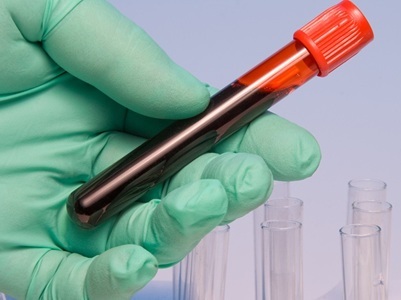
Blood chemistry analyzers are instruments that cannot be done without in both clinical and research laboratories, enabling the accurate and reproducible quantification of biomarkers essential in the diagnosis and management of metabolic disorders, diabetes, and various forms of organ dysfunction. These instruments simplify workflows through the automation of complicated assays that minimize manual errors and increase the reliability of results. Selection of the appropriate analyzer requires an in-depth understanding of assay requirements, operational scalability, and system integration for laboratories seeking to maximize their capabilities.
Key considerations laboratory managers and researchers should consider when purchasing a blood chemistry analyzer include, but are not limited to, analytical throughput, versatility in test panels, sample handling capacity, and compatibility with laboratory information systems (LIS).
Types of Blood Chemistry Analyzers
Blood chemistry analyzers are differentiated by throughput, functionality, and their suitability for different applications of the laboratory. Each has been targeted to meet diverging needs ranging from high throughput diagnostics to specialized assays.
Clinical Chemistry Analyzers
These analyzers represent the backbone of diagnostic laboratories performing core tests such as metabolic panels, enzyme assays, and electrolyte quantification. They are designed for high-volume settings with features like continuous reagent loading and real-time quality control. Many clinical chemistry analyzers provide for the incorporation of ISE technology in their designs to ensure accurate measurement of electrolytes, thus remaining indispensable in clinical diagnostics.
Point-of-Care (POC) Analyzers
POC analyzers return rapid results directly at the bedside or in decentralized testing environments. These compact systems are equipped with pre-calibrated reagents and intuitive interfaces that allow operators without specialized experience to execute key tests with a minimum of training. POC systems usually have narrower test menus compared to centralized analyzers.
Specialized Analyzers
Specialized analyzers are optimized for niche applications such as immunoassays, therapeutic drug monitoring, or advanced electrolyte profiling. These often feature fluorescence or chemiluminescence detection to increase sensitivity and specificity.
Key Features to Consider
A rigorous assessment of blood chemistry analyzers has to be performed on various operational and analytical parameters. Analytical accuracy, system scalability, and integration with advanced technologies are critical factors to ensure the analyzer meets current and evolving laboratory requirements.
Test Menu Versatility
The analyzer's multi-test and multi-analyte abilities on a single platform also reduce redundancy while accelerating workflow. For instance, assays offering both routine metabolic tests combined with advanced immunoassays enhance efficiency in laboratories. Modular configuration allows the expansion of a test menu to accommodate possible future diagnostics.
Throughput and Workflow Integration
The degree of throughput must match sample volume needs. Large hospital laboratories require high-throughput analyzers with more than 1,000 tests per hour. These systems continue to offer continuous loading, barcode-driven sample identification, and automatic maintenance scheduling for efficient operation.
Sample Volume and Handling
Efficient sample handling systems are particularly critical in pediatric or geriatric settings, where obtaining large sample volumes can be challenging. Micro-sample analyzers using less than 50 µL provide accurate results with no compromise on patient comfort. In advanced analyzers, hemolysis and lipemia detection have also been incorporated to minimize pre-analytical errors.
Connectivity and Data Management
It ensures the smooth flow of information and provides traceability, being integrated with LIS and EHR. Many of the latest analyzers offer the ability to monitor remotely and store data in the cloud for immediate access to current results and system performance. Such an option is quite relevant for big healthcare networks, running several laboratories.
Advanced Technologies and Innovations
With precision medicine and sustainable practices gaining traction in laboratories, analyzers with advanced technologies have become increasingly valuable.
Artificial Intelligence (AI) Integration
AI-driven algorithms allow for real-time anomaly detection, predictive maintenance, and optimization of analytical workflows. For example, AI systems can flag atypical test results or identify reagent inefficiencies that minimize downtime and improve diagnostic accuracy.
Eco-Friendly Designs
Sustainable analyzer designs are focusing on energy efficiency, reusable reagent cartridges, and biodegradable consumables. For instance, closed-loop reagent systems have considerably reduced plastic waste to meet the standards set globally for environmental concerns.
Automation and Quality Control
Automation enhances consistency, reducing variability caused by human error. Built-in quality control systems automatically recalibrate the instrument, ensuring compliance with regulatory standards. Features such as automated dilution, carryover prevention, and error notification are particularly beneficial in high-volume laboratories.
Operational and Economic Considerations
Total Cost of Ownership (TCO)
Beyond acquisition costs, TCO includes consumables, reagent usage, and maintenance expenses. Analyzers with extended service intervals and low reagent consumption reduce operational costs over time. Evaluate whether the system includes cost-saving features, such as automated reagent mixing or on-demand testing capabilities.
Maintenance and Support
Reliable technical support and easy access to spare parts are crucial to keep downtime as low as possible. Many manufacturers are using remote troubleshooting and predictive maintenance now to identify issues before problems arise. Laboratories should consider the availability of local service technicians and the cost for extended warranties.
Regulatory Compliance
Analyzers should ensure regulatory compliances like CLIA, ISO 15189, and 21 CFR Part 11. GxP-compliant systems offer features such as audit trails, electronic signatures, and controlled access, facilitating compliance with the most exacting quality standards. Laboratories operating in regulated environments may find these compliance features necessary.
Applications in Modern Laboratories
Applications of blood chemistry analyzers extend the utility of the technology beyond routine diagnostics.
Clinical Diagnostics
These instruments are central to hospital workflows, providing critical insights into organ function, metabolic health, and disease progression. High-throughput systems enable rapid turnaround times, essential for emergency care settings.
Research and Development
In R&D laboratories, analyzers facilitate biomarker discovery, pharmacokinetics, and therapeutic drug monitoring. Integration with mass spectrometry enhances the detection of low-abundance analytes, advancing drug development efforts.
Specialized Testing
Advanced analyzers support niche applications, including tumor marker profiling and hormone assays, which require high sensitivity and specificity.
Last Thoughts
The selection of the appropriate blood chemistry analyzer is a strategic decision with significant consequences in terms of diagnostic accuracy, operational efficiency, and patient outcomes. By evaluating critical features such as test menu versatility, throughput, and data integration, laboratories can select an instrument that aligns with their current and future needs.
Be it for a high-throughput hospital setting or for a special research application, the perfect analyzer empowers laboratories to deliver accurate, reliable results-driving excellence in both patient care and scientific discovery.
About the author
Sabrina Mierswa is working on her Ph.D. in biomedical engineering. She has extensive experience using blood chemistry analyzers in both research and clinical laboratory settings. Her hands-on experience with these instruments has provided a thorough understanding of their technical specifications, performance metrics, and practical considerations that laboratories must evaluate before making a purchase.