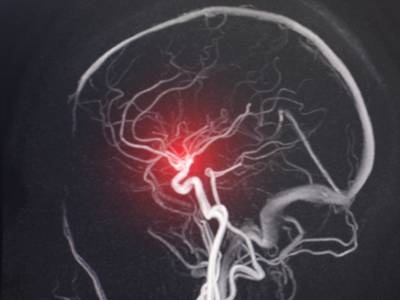
Hemorrhagic stroke is a serious condition that accounts for 10-15% of all strokes in the United States, occurring mostly among younger people, with about half of cases being fatal. Understanding the biological mechanisms behind hemorrhagic stroke and other neurovascular and neurological diseases requires a better understanding of the roles of different cell types within our complicated brain network. Recently, researchers at the University of California - San Francisco (UCSF) completed a comprehensive cell atlas of human brain vasculature, leading to the characterization of dozens of previously unknown cell types and revealing new insights into the mechanisms of hemorrhagic stroke.
The team, including researchers from the UCSF Weill Institute for Neuroscience and UCSF Cerebrovascular Research Center, constructed the atlas by analyzing samples of brain tissue including tissue from five volunteers with normal brain vasculature who underwent brain surgery for epilepsy at UCSF, along with 44 samples of arteriovenous malformations (AVM), which are poorly formed brain arteries that are often a source of hemorrhagic stroke. The AVM samples included both intact AVMs and AVMs that had hemorrhaged. The researchers conducted single-cell mRNA sequencing on more than 180,000 cells in order to determine gene expression in corresponding cell locations, and computer analyses were conducted to compare expression in the normal cells versus diseased cells.
The analyses identified more than 40 previously unknown cell types in the brain vasculature, including a population of immune cells that appear to communicate with smooth muscle cells in diseased arteries. The researchers believe that these immune cells could play a role in hemorrhagic stroke by weakening the cells of the arteries, leading to the hemorrhage. This discovery opens up possibilities for new therapeutic strategies to reduce the risk of stroke by modulating these immune cells. Additionally, the data collected through this research effort and newly available cell atlas could lead to further insights into more diseases, such as dementia, which is believed to have neurovascular underpinnings, said Dr. Daniel Lim, who helped lead the research. This study was published in the journal Science.
“This research gives us the map and the list of targets to start developing new therapies that could change the way we treat a lot of cerebrovascular diseases,” added Dr. Ethan Winkler, one of the lead authors on the study.
This recent work contributes to the Human Cell Atlas, an international effort to produce cell reference maps for the entire human body. Such references can aid fellow scientists in further exploring newly characterized cell types and relationships, offering the potential for new drug targets and therapeutic strategies to be developed.