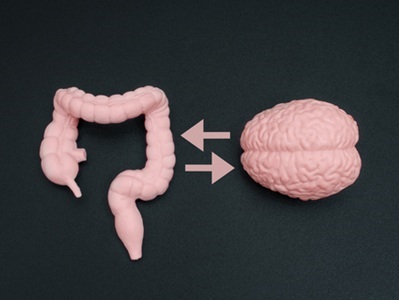
A new study expounds on humans’ gut-brain connection, indicating that live bacteria from the gut can directly enter the brain—with potential implications for neurological health.
“This may shift the focus of new interventions for brain conditions, with the gut as the new target of therapy. That potential anatomical shift of the target could have an unbelievable impact on how people with neurological conditions benefit from therapies,” said co-principal investigator of the study David Weiss, a microbiologist and professor at Emory University’s School of Medicine.
For the study, published in PLOS Biology, a group of mice consumed a “Paigen’s Diet”—similar to a Western Diet—with 45% carbohydrate and 35% fat content for 9 days. The resulting gut microbiome changes seen in the mice were associated with increased intestinal barrier permeability, or leakage, enabling live bacteria to travel from the intestine directly to the brain via the vagus nerve, without any detectable amounts of bacteria in the blood or other organs.
Next, researchers administered antibiotics, which kill many gut microbes, to the mice for three days. The mice then consumed an engineered bacterium, a barcoded Enterobacter cloacae with a DNA sequence not normally found in these bacteria in nature. When the mice were again fed the high-fat diet, this exact barcoded strain was detected in the vagus nerve and brain of the mice.
Researchers also identified low levels of bacteria in the brains of mouse models of neurological diseases, such as Parkinson’s Disease, Alzheimer’s and more, potentially explaining how these conditions may be initiated in humans.
The research team noted that returning the mice to a normal diet restricted bacterial load in the brain by decreasing gut permeability, leaving open the possibility that the negative effects of a high-fat diet could be reversible.
Data from Emory University