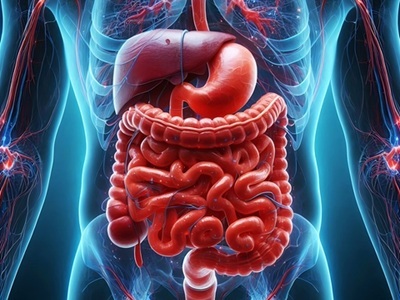
Over the past two decades, our understanding of methane in the human body has accelerated, highlighting both established roles in gut physiology as well as hinting toward non-gastrointestinal (GI) pathways of methane production and impact.
At the same time, advances in analytical techniques have significantly improved our ability to measure methane production in the body, increasing both ease of detection and precision while facilitating longitudinal measurements—paving the way for new discoveries.
Established roles of methane in the body
The gut microbiome produces many volatile organic compounds (VOCs), gaseous molecules originating either from human metabolic processes within the body (endogenous) or from external sources such as diet, environmental exposure, and microbial metabolism (exogenous). Short-chain fatty acids (SCFAs) are the most well-studied in terms of biological function, but they form a relatively minor part of the 0.2-1.5 L of gas produced daily by the gut microbiota1. Instead, hydrogen (H₂), carbon dioxide (CO₂), and methane (CH₄) make up over 99% of intestinal gas1,2.
Methane produced in the gut is generated by methanogens. These archaea include Methanobrevibacter smithii (M. smithii) and Methanobrevibacter stadtmanae (M. stadtmanae) and produce methane by reducing CO₂ with H₂ or formate3. The abundance of these archaea can vary significantly between individuals, with high methane emitters exhibiting levels of M. smithii 1000x greater than low methane emitters4.
This GI methane production can have local effects, with animal studies suggesting that methane can significantly increase GI transit time. Animal studies demonstrate that direct application of methane to the gut can slow intestinal transit by 59% in dogs5 and decrease peristaltic velocity whilst increasing ileal contraction amplitude in guinea pigs6. Similar effects can be observed in humans, where higher methane levels are associated with prolonged intestinal transit times7.
In addition to host effects, methanogen levels also affect the gut microbiome, with Kumpitsch et al. observing higher alpha diversity and altered microbiome composition in high-methane producers4. Specifically, methane-producing microbiomes are associated with elevations in species able to degrade dietary fiber; in vitro studies have suggested that H2 generation from this process may support CH4 production4. Furthermore, data suggests both shifts in SCFA ratios and potential elevations in SCFA levels in high-methane producers4, although this is contested8.
Emerging roles of methane in the body
In addition to the more established production routes and roles of methane, new data points to other potential sources of methane, including endogenous mammalian production with potential impacts upon broad physiological processes.
These data suggest that endogenous sources of methane can also contribute to measurable levels in the body, especially under settings of elevated oxidative stress. The Fenton reaction provides a means for reactive oxygen species (ROS) to produce methane through the generation of hydroxyl radicals from hydrogen peroxide (H₂O₂), which can then demethylate sulfur or nitrogen compounds. This phenomenon has been demonstrated in vitro (through the incubation of oxidizers with methane-containing compounds9), ex vivo (through the induction of oxidative stress in isolated mitochondria9,10), and in vivo (through the induction of oxidative stress in rodents11).
The relevance of this phenomenon to human physiology was first suggested in 2013 with the observation that lipopolysaccharide (LPS) administration in mice (an acute inflammatory setting, sometimes used to model sepsis) increased methane production 2-3-fold, even when methanogen contribution was removed via antibiotic administration12. This suggested that infection and associated inflammation/oxidative stress may elevate non-microbial methane production, a hypothesis supported by preliminary indications of similar effects in humans, with elevated methane levels observed in response to COVID-19 infection13.
With data supporting methane production in settings of inflammation/elevated oxidative stress, it is worthwhile to consider potential effects on related inflammatory processes. Across the literature, methane is generally seen to be cytoprotective, with anti-inflammatory, anti-oxidative, and anti-apoptotic actions14. These effects have been observed across various pathophysiological indications including ischemia/reperfusion injury, inflammatory disease, and neuronal disease14. However, these studies typically use methane-rich saline, providing methane at levels significantly higher than expected physiological concentrations. Further work is therefore required to examine the relevance of these findings under standard physiological conditions.
In addition to effects on fundamental pathways, there is evidence that methane production is interlinked with broader metabolic perturbations. Rodent models of obesity present with elevated levels of archaea compared to their non-obese litter mates15 and findings that these effects are transmissible through fecal transplantation15 suggest a potential causal link. A proposed mechanism suggests an increased ability to degrade polysaccharides as well as potential impacts of elongated GI transit and increased SCFA production in high methane producers. These findings also appear to translate to human settings, with most observations finding a correlation between elevated methanogen presence and higher BMI16, however, this is not a uniform finding17, and the interplay between microbiome alterations and obesity make it challenging to delineate correlation from causation. Beyond weight gain, there is data supporting that high-level methane producers may have impaired glucose tolerance18, and that reducing methane in obese patients may improve glucose tolerance19.
Breath sampling and analytical techniques
Once produced, methane diffuses into the blood, undergoes gas transfer in the alveolar space, and is exhaled20, with approximately 20-50% of gut-produced methane excreted via breath21. Breath methane measurement can therefore provide a non-invasive assessment of GI health and support the diagnosis of disorders like intestinal methanogen overgrowth-small intestinal bacterial overgrowth (IMO-SIBO).
The sampling techniques that can be used to monitor breath methane levels fall into three categories: direct exhalation into collection bags, breath sampling via tubes, and real-time breath analysis with direct analyzers. The selection of the most appropriate test is key to achieving the best experimental outcomes, requiring careful consideration of each method’s advantages and disadvantages (Table 1, Table 2).
|
Breath Collection Method
|
Collection Bags
|
Tubes
|
Handheld Real-Time Analyzer
|
|
Overview
|
Patients exhale into a sealed bag for later analysis.
|
Patients exhale into sealed tubes for later analysis.
|
A portable device analyzes breath instantly without storage.
|
|
Forms
|
Mylar (gas-impermeable polyester) or Tedlar (PVF) bags.
|
Vacuum or glass/plastic tubes.
|
OMED device.
|
|
Procedure
|
Deep exhale into the bag, which is sealed.
|
Exhale into a tube via a mouthpiece, then seal.
|
Exhale directly into the device, which provides real-time data.
|
|
Advantages
|
Simple, cost-effective.
|
Easy to use and transport.
|
Instant results and repeatable measures.
|
|
Considerations
|
Risk of contamination or loss post-collection.
|
Requires proper storage to prevent degradation.
|
Calibration is essential for accuracy.
|
Table 1: An overview of collection methods for breath methane analysis.
|
Analytical Method
|
GC-FID (Gas chromatography-flame ionization detection)
|
IR (infrared)
|
MOS (metal-oxide sensor)
|
|
Principle
|
Separates breath sample components via gas chromatography; quantifies methane using flame ionization detection.
|
Measures methane concentration by infrared light absorption.
|
Detects gases via changes in a metal oxide sensor's electrical resistance.
|
|
Advantages
|
High sensitivity, specificity, and quantitative analysis.
|
Real-time analysis; simpler than GC-FID.
|
Cost-effective, durable, real-time analysis.
|
|
Limitations
|
Expensive, and complex, requires trained personnel and lab preparation.
|
Limited sensitivity for low concentrations; potential interference from gases/water vapor if uncalibrated.
|
Less sensitive than GC-FID for low concentrations; requires calibration.
|
Table 2: An overview of analytical methods for breath methane.
Clinical implications and future research
The main clinical homestay of breath methane testing to date is to support the diagnosis of GI conditions such as IMO-SIBO. These tests typically involve fasting, followed by administration of a challenge substrate (e.g., lactulose, glucose, or fructose), with breath measurements made at timed intervals. This method helps pinpoint methane changes originating in the GI tract, making it useful for IMO-SIBO diagnosis without interference from other methane sources. Current guidelines employ a rise of >20 ppm hydrogen within 90 minutes of substrate administration as positivity for SIBO, with a rise in methane levels >10 ppm at any time indicating IMO positivity22.
The employment of endogenously generated methane as a biomarker is more complex and it is not currently in clinical use. Whilst fasting and subsequent substrate testing provide a semi-isolated system for IMO-SIBO diagnosis, the same does not exist for endogenous methane generation. Longitudinal measurements and comparisons to an individual’s baseline methane level can overcome this and minimize confounder impact. Recent advancements in wider medical testing have shifted from static to dynamic measurements, with an increased focus on continuous monitoring, as seen in blood glucose monitoring. Similarly, technological advancements in handheld breath analyzers, such as the OMED device, enable affordable, at-home, real-time breath methane monitoring, poising the field for population-based longitudinal studies on breath methane levels and offering new insights into its role in health23.
About the author
Matthew Kerr is a Senior Biomarker Scientist at Owlstone Medical. Following his Ph.D. in cardiovascular metabolism at the University of Oxford, Matthew’s focus has spanned metabolic, respiratory and neurological disease, including work across both preclinical and clinical research projects, as well as the development of tools to support academic research. Within Owlstone Medical, the clinical biomarker services team provide the biological interpretation around novel breath VOC biomarkers to support the use of breath biomarkers in clinical research.
References
1. Mego, M., Accarino, A., Malagelada, J.-R., Guarner, F. & Azpiroz, F. Accumulative effect of food residues on intestinal gas production. Neurogastroenterol. Motil. 27, 1621–1628 (2015).
2. Suarez, F. L., Springfield, J. & Levitt, M. D. Identification of gases responsible for the odour of human flatus and evaluation of a device purported to reduce this odour. Gut 43, 100–104 (1998).
3. Nkamga, V. D., Henrissat, B. & Drancourt, M. Archaea: Essential inhabitants of the human digestive microbiota. Hum. Microbiome J. 3, 1–8 (2017).
4. Kumpitsch, C. et al. Reduced B12 uptake and increased gastrointestinal formate are associated with archaeome-mediated breath methane emission in humans. Microbiome 9, 193 (2021).
5. Pimentel, M. et al. Methane, a gas produced by enteric bacteria, slows intestinal transit and augments small intestinal contractile activity. Am. J. Physiol. Gastrointest. Liver Physiol. 290, G1089-1095 (2006).
6. Jahng, J., Jung, I. S., Choi, E. J., Conklin, J. L. & Park, H. The effects of methane and hydrogen gases produced by enteric bacteria on ileal motility and colonic transit time. Neurogastroenterol. Motil. 24, 185-e92 (2012).
7. Triantafyllou, K., Chang, C. & Pimentel, M. Methanogens, Methane and Gastrointestinal Motility. J. Neurogastroenterol. Motil. 20, 31–40 (2014).
8. Fernandes, J. et al. Age, Dietary Fiber, Breath Methane, and Fecal Short Chain Fatty Acids Are Interrelated in Archaea-Positive Humans1–3. J. Nutr. 143, 1269–1275 (2013).
9. Ghyczy, M. et al. Hypoxia-induced generation of methane in mitochondria and eukaryotic cells: an alternative approach to methanogenesis. Cell. Physiol. Biochem. Int. J. Exp. Cell. Physiol. Biochem. Pharmacol. 21, 251–258 (2008).
10. Ghyczy, M., Torday, C. & Boros, M. Simultaneous generation of methane, carbon dioxide, and carbon monoxide from choline and ascorbic acid: a defensive mechanism against reductive stress? FASEB J. Off. Publ. Fed. Am. Soc. Exp. Biol. 17, 1124–1126 (2003).
11. Tuboly, E. et al. Methane biogenesis during sodium azide-induced chemical hypoxia in rats. Am. J. Physiol.-Cell Physiol. 304, C207–C214 (2013).
12. Tuboly, E. et al. Determination of endogenous methane formation by photoacoustic spectroscopy. J. Breath Res. 7, 046004 (2013).
13. Polag, D. & Keppler, F. COVID19-vaccination affects breath methane dynamics. 2022.07.27.501717 Preprint at https://doi.org/10.1101/2022.07.27.501717 (2022).
14. Poles, M. Z., Juhász, L. & Boros, M. Methane and Inflammation - A Review (Fight Fire with Fire). Intensive Care Med. Exp. 7, 68 (2019).
15. Turnbaugh, P. J. et al. An obesity-associated gut microbiome with increased capacity for energy harvest. Nature 444, 1027–1031 (2006).
16. Murga-Garrido, S. M. et al. Alterations of the Gut Microbiome Associated to Methane Metabolism in Mexican Children with Obesity. Children 9, 148 (2022).
17. Ozato, N. et al. Association between breath methane concentration and visceral fat area: a population-based cross-sectional study. J. Breath Res. 14, 026008 (2020).
18. Mathur, R. et al. Methane-producing human subjects have higher serum glucose levels during oral glucose challenge than non-methane producers: A pilot study of the effects of enteric methanogens on glycemic regulation. Res. J. Endocrinol. Metab. 2, 2 (2014).
19. Mathur, R. et al. Metabolic Effects of Eradicating Breath Methane using Antibiotics in Prediabetic Subjects with Obesity. Obes. Silver Spring Md 24, 576–582 (2016).
20. Tansel, A. & Levinthal, D. J. Understanding Our Tests: Hydrogen-Methane Breath Testing to Diagnose Small Intestinal Bacterial Overgrowth. Clin. Transl. Gastroenterol. 14, e00567 (2023).
21. Florin, T. H., Zhu, G., Kirk, K. M. & Martin, N. G. Shared and unique environmental factors determine the ecology of methanogens in humans and rats. Am. J. Gastroenterol. 95, 2872–2879 (2000).
22. Rezaie, A. et al. Hydrogen and Methane-Based Breath Testing in Gastrointestinal Disorders: The North American Consensus. Am. J. Gastroenterol. 112, 775–784 (2017).
23. Avvisati, R. et al. S2217 Development and Validation of a Portable Device for At-Home Hydrogen and Methane Breath Testing. Off. J. Am. Coll. Gastroenterol. ACG 119, S1584 (2024).