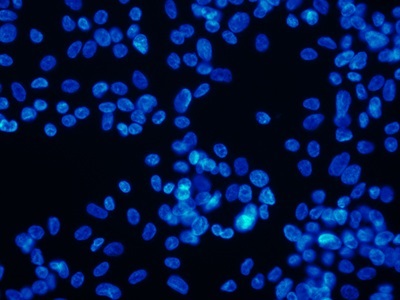
Flow cytometry is a powerful tool for cell quantitation and analysis across a wide range of clinical and research applications. These instruments are used to analyze cells within a solution and provide multi-parameter analysis, including determination of cell characteristics and function, biomarker discovery, treatment and diagnosis information, and cell counting and sorting, among others.
A flow cytometer is a substantial investment, so considering and forecasting both short- and long-term needs is imperative. Anticipate the different types of applications your flow cytometer will be routinely used for to identify essential features and prioritize laser combinations. For example, if immunophenotyping is a priority, the inclusion of violet (405 nm) and ultraviolet (355 nm) lasers will help expand the number of compatible fluorophores and enable more flexible panel design.1
Additionally, consider how many parameters your lab needs to measure. That number will determine which laser configuration is ideal:
- For 17 or fewer, consider a three-laser configuration
- For 17-24, consider a four-laser configuration
- For 24-27, consider a five-laser configuration that includes a small particle detector1
For complex immunophenotyping assays, think about expanding the number of parameters available up to seven.
Lastly, ensure the selected flow cytometer can handle the volume of samples that need to be processed; but also factor in a 50% increase in throughput to ensure future needs can be met.1
Here are two additional tips from subject matter expert Sebastian Reinartz, the Global Product Manager for Flow Cytometry instruments with Miltenyi Biotec.
Manage the total cost of ownership:
To minimize long-term costs, laboratories should proactively monitor instrument performance to detect issues early and invest in appropriate service and maintenance contracts to avoid costly repairs. Comprehensive user training is essential to ensure proper operation and prevent accidental damage. Combined with smart workflow automation, this helps optimize run times and reduce consumable usage.
Avoid this rookie mistake:
High-quality results in flow cytometry begin with proper sample preparation and staining protocols. No matter how advanced your instrument is, optimizing these foundational steps during early assay development is critical.
References
-
Bio-Rad Laboratories, Inc. (2022) Flow Cytometry Buyers Guide. https://www.bio-rad.com/sites/default/files/2022-09/bulletin_3372.pdf