Credit: Cornell University
Research from a Cornell-led group has identified a novel method for harnessing the power of radical molecules. Radical molecules are highly reactive and could have numerous uses in the pharmaceutical industry, however, their reactions have been difficult to control and nearly impossible to use in a targeted selective manner.
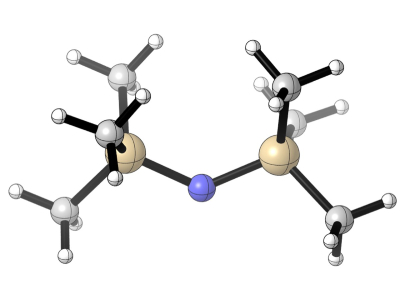
Despite the potential to bond in pairs, radicals are highly reactive molecules that commonly annihilate each other when they are brought too close together. In the study, published in Nature, researchers believe they discovered a solution by attaching groups of carbon and hydrogen atoms that allow them to maintain their reactivity at a safer distance from each other, a technique called “frustrating”.
"We use frustrated radicals to activate carbon-hydrogen bonds and convert them into other chemical bonds, which can affect the property of the original molecule," said Song Lin, professor of chemistry and chemical biology at Cornell University. "This strategy can thus be used to improve efficacy of drug molecules, for example."
Carbon-hydrogen bonds are commonly used for pharmaceutical development due to their strength and prevalence in organic molecules. However, due to this strength, they can be difficult to separate out and selectively functionalize individual sites.
The researchers were able to tease apart the new molecules and analyze their reactivity and selectivity using NMR as well as multiple chromatography techniques. By controlling the reaction and frustrating the radicals, the team has created a potentially useful reagent for chemical synthesis. These findings could lead to a number of advancements in the pharmaceutical industry.