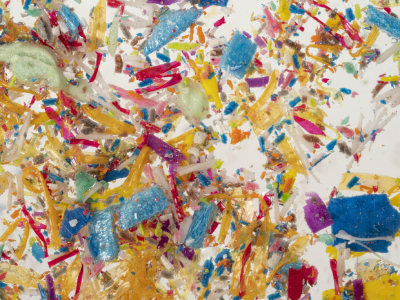
Iowa State University researchers have studied the effects of micro- and nanoplastics (MPs and NPs) on fruit flies for the first time.
In the report, published in Frontiers in Toxicology, the researchers utilized wild-type Drosophila larvae as their hearts are similar to vertebrate heats in respect to how they function and change during aging. The larvae were split into two test groups and a control, with one test group receiving polystyrene MPs and the other polystyrene NPs.
After hatching the flies were collected and their hearts dissected, revealing that plastic exposure produced different results in male and female flies. In females, their heart rates decreased by 13% with their heart periods increasing, while in males this change was not exhibited.
Additionally, females fed NPs had an increase in heart size and diastolic intervals while males who consumed both sizes exhibited increases in diastolic and systolic diameters. Male flies also demonstrated changes to their systolic interval time and fractional shortening that were not observed in females.
"The true mechanism behind these observed changes is unknown, and so further research is needed to identify if exposure to MPs and NPs interacts with any mammalian conserved genes which may lead to cardiac dysfunction."
"The data from this study can inform the field on potential changes to other terrestrial organisms and opens the door to future studies investigating the molecular mechanism behind these changes and underscores the importance of research in plastic on both sexes," the team concluded.