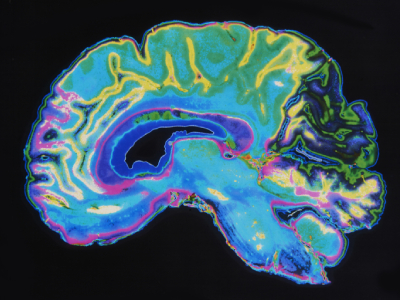
A recent study by researchers at the University of Colorado was amongst the first to reveal how Herpes simplex virus type 1 (HSV-1), the cause of cold sores, infiltrates the brain. With the recent implications of HSV-1 in other neurological diseases, the findings of the study may lead to a better understanding of how HSV-1 could trigger neurodegenerative diseases such as Alzheimer's.
"Recently, this common virus has been implicated in neurodegenerative diseases, such as Alzheimer's disease, but no clear route of central nervous system invasion has been established," says Christy Niemeyer, assistant professor of neurology at the University of Colorado. "Identifying how HSV-1 can get into the brain and what brain regions are vulnerable is key in understanding how it initiates disease."
In the work, published in the Journal of Virology, the researchers were able to map how and where the virus travels within the brain to infect regions that control vital functions. In addition to critical brain regions, the team also found HSV-1 in regions that produce serotonin and norepinephrine.
"Even though the presence of HSV-1 is not causing full-blown encephalitis in the brain, it can still affect how these regions function," says Niemeyer.
The team also demonstrated that HSV-1 interacts with microglia causing it to become inflamed. In some regions of the brain, this inflammation persisted even after the virus was gone.
"Identifying the role of microglia provides helpful clues to the consequences of HSV-1 infection, and how it triggers neurological diseases," says Niemeyer. "Persistently inflamed cells can lead to chronic inflammation, a known trigger for a number of neurological and neurodegenerative diseases. This research offers important takeaways in better understanding how viruses interact with overall brain health as well as the onset of pervasive neurological diseases."