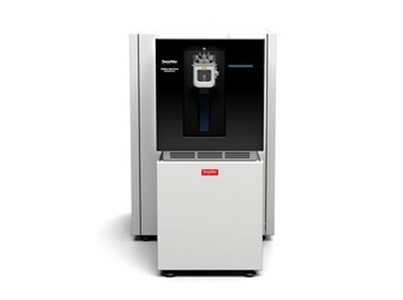
Thermo Fisher Scientific’s new Orbitrap Astral Zoom mass spectrometer (MS) and the Thermo Scientific Orbitrap Excedion Pro MS help push the boundaries of scientific discovery. Delivering enhanced analytical performance and speed, the instruments are designed to uncover complex biological processes that could lead to advancements in precision medicine and significant insights for complex diseases like Alzheimer’s and cancer.
These Orbitrap innovations enhance Thermo Fisher’s portfolio of solutions, delivering a connected and powerful ecosystem that enables the success of customers in proteomics, biopharmaceutical development and scientific research.
Expanding on the success of the award winning Thermo Scientific Orbitrap Astral mass spectrometer, the Orbitrap Astral Zoom MS delivers high performance and is engineered to drive the next wave of breakthroughs. The instrument enables 35% faster scan speeds, 40% higher throughput and 50% expanded multiplexing capabilities, delivering higher sensitivity and increased experimental flexibility. With enhanced analytical coverage, research scientists can now extract richer data from their samples and accelerate transformative discoveries that could shape the future of biopharma innovation.
Building on the sensitivity, resolution and accuracy of Orbitrap technology, the Thermo Scientific Orbitrap Excedion Pro MS offers enhanced performance to accelerate biological drug development. Orbitrap Excedion Pro is the first platform to combine next-generation Orbitrap hybrid mass spectrometry with alternative fragmentation technologies, a technique for efficiently analyzing complex biomolecules.
Researchers can now gain a deeper understanding of biotherapeutics such as monoclonal antibodies (mAbs), accelerating the development of treatments across many areas including cardiology, neurology, and oncology. With enhanced sensitivity, dynamic range, and reliability, the Orbitrap Excedion Pro MS delivers faster, higher-quality, protein and post-translational modification data along with small molecule insights to drive robust biological understandings.