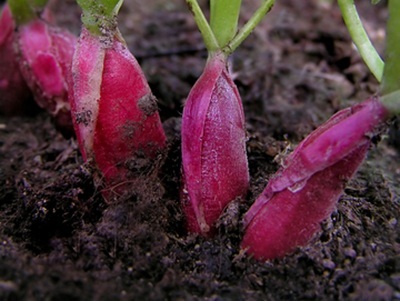
Iron-fortified hemp biochar made from agricultural waste can significantly cut the amount of PFAS that move from contaminated soil into food crops, according to a new study on radishes grown in PFAS-polluted soil.
Researchers from Shenyang Agricultural University collected PFAS contaminated sandy loam soil from a former firefighting training area in Connecticut. They produced biochar from hemp stems and leaves at different temperatures between 500 and 800 degrees Celsius, with some batches “fortified” by soaking the biomass in an iron sulfate solution before pyrolysis to create iron rich sorption sites.
According to the study results, published in Environmental and Biogeochemical Processes, soil at the field site contained about 576 ng of total PFAS per gram, dominated by PFOS which contributed roughly 60% of the total burden. Biochar made at 500 C had the highest specific surface area and more oxygen-containing functional groups, which favored PFAS retention compared with material made at higher temperatures. Fortifying biochar with iron further increased surface area and pore volume and introduced iron oxide and hydroxide sites that can attract anionic PFAS molecules.
Across all treatments, radishes grown in the contaminated soil without amendments showed strong accumulation of short-chain PFAS, with high bioaccumulation factors above and particularly high values for short-chain carboxylic and sulfonic acids. When the soil was amended with iron-fortified hemp biochar produced at 500 degrees, total PFAS in whole radish plants dropped by about 37% compared with unamended soil, and by nearly 46% relative to plants grown with non-fortified biochar.
By demonstrating that a relatively low dose of iron-enriched biochar made from an agricultural residue can both improve soil properties and reduce PFAS transfer into edible tissues, the work points to a practical soil management strategy for reducing PFAS exposure through diet. The authors note that future research should examine long-term field performance, potential effects on soil microbes and PFAS transformation, and whether similar approaches can protect other crop species and soils with different PFAS mixtures.
Data from Shenyang Agricultural University