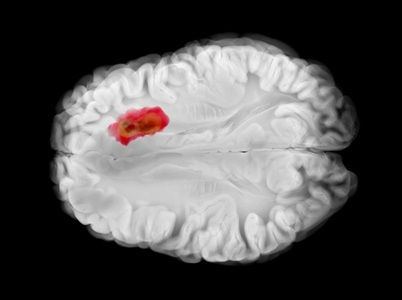
A team of Canadian scientists has uncovered a new way to slow the growth of glioblastoma and identified an existing HIV medication that could treat it. Glioblastoma is the most aggressive and currently incurable form of brain cancer, with survival often measured in months.
It's already known that glioblastoma grows by forming a network of cells that communicate and support each other, and disrupting these connections can slow the cancer. his new study, published in Neuron, discovered that a type of cell called an oligodendrocyte, normally responsible for protecting nerve fibers, can switch roles and actually support tumor growth. These helper cells communicate with cancer cells through a specific signaling system, creating an environment that allows the tumor to thrive. When researchers blocked this communication in lab models, the cancer slowed down significantly, showing that this interaction is critical for glioblastoma’s survival.
What makes this finding especially promising is that the signaling system involves a receptor called CCR5, which is already targeted by an existing HIV medicine called Maraviroc. This means a medication that’s already approved and widely used could potentially be repurposed to treat glioblastoma, offering hope for faster progress toward new therapies.
“Glioblastoma isn’t just a mass of cancer cells, it’s an ecosystem,” said Sheila Singh, co-senior author of the study and professor of surgery at McMaster University. “By decoding how these cells talk to each other, we’ve found a vulnerability that could be targeted with a drug that’s already on the market.”
Data from McMaster University