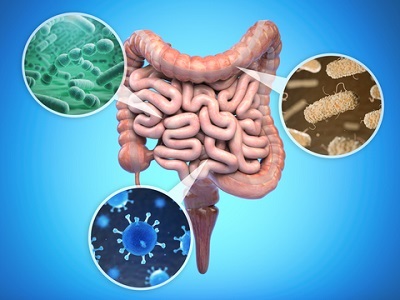
A comprehensive study has shown that changes in the bacteria found in the gut microbiota can be seen several years before type 2 diabetes develops. The discovery paves the way for identifying people at risk at an early stage, enabling preventive measures to be introduced.
For the project, researchers at Chalmers University conducted a large epidemiological study involving 4,685 Swedish adults whose microbiomes were examined in stool samples. Of these participants, 383 developed diabetes after an average follow-up period of five years.
According to the study, published in Cell Reports Medicine, researchers consistently observed nine bacteria in the gut microbiome that were associated with the risk of developing the disease.
One of those bacteria was a surprise. People who developed diabetes had high levels of the bacterium Akkermansia muciniphila in their gut microbiota; however, this bacterium is usually associated with health benefits.
“Under favorable conditions, this bacterium feeds on the fiber we get from our diet. But when our fiber intake is too low, it instead starts to break down the gut’s protective mucus layer. This can lead to other bacteria coming into contact with the intestinal lining, causing inflammation and other metabolic disruptions linked to insulin resistance and type 2 diabetes,” said study author Gaël Toubon, professor at Chalmers University.
Another type of bacterium, Coprococcus catus, could be linked to diabetes when the bacterium was present only in very small quantities in the gut microbiota. Above a certain level, this risk was not observed.
The findings need to be validated in further large studies. If the role of the gut microbiota in the development of diabetes is confirmed, the human gut microbiome could become a target for personalized preventive strategies.
Data from Chalmers University of Technology