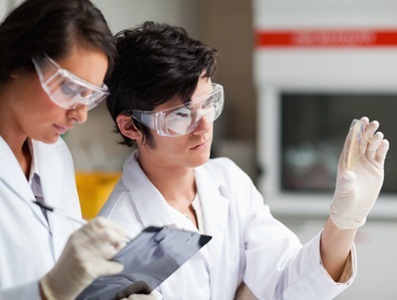
Laboratory training is essential in chemistry and biomedical science education, but it routinely exposes students to potentially hazardous reagents. Pair that with a typical university student’s diet of insufficient fruits and vegetables, and the fact that they may not follow all laboratory safety procedures to the rule, and there’s some cause for concern.
A new report out of China says frequent chemical exposure, low dietary antioxidant intake, and weaker safety practices are independently associated with increased reporting of non-specific health symptoms by young scientists.
For the study, published in New Contaminants, Kanayo Samuel Okonji's team at Federal University Oye-Ekiti surveyed 426 undergraduate and postgraduate students enrolled in chemistry, biochemistry, microbiology and medical laboratory science programs at universities in Ekiti State, Nigeria. All participants were actively engaged in laboratory work.
The researchers used a structured, self-administered questionnaire to gather data on chemical handling, diet, safety knowledge, protective behavior and symptoms potentially tied to oxidative stress. Chemical exposure counted as “frequent” when students handled lab chemicals daily or weekly, and antioxidant intake was scored from reported weekly consumption of fruits, vegetables and similar foods.
Nearly 79% of respondents reported frequent chemical exposure, most often to acids, followed by organic solvents and disinfectants. Fatigue was the most common complaint, reported by almost half of participants, followed by pallor, recurrent headaches and easy bruising.
Symptoms turned up in 63% of frequently exposed students, versus 35% of those with lighter exposure. After adjusting for other factors, frequent exposure carried 3x the odds of symptoms, low antioxidant intake carried 2x the odds, and the combination of both carried nearly triple the odds of the reference group.
Weaker safety practices were tied to more symptoms as well. Even though 57% of students showed good safety knowledge, only 46% said they consistently followed protective measures.
The authors say future work should incorporate exposure monitoring, validated dietary tracking and clinical testing. In the meantime, they argue the findings support more consistent safety training and supervision, better protective equipment and ventilation, and greater attention to nutrition among students working in labs.
Data from Chinese Academy of Sciences