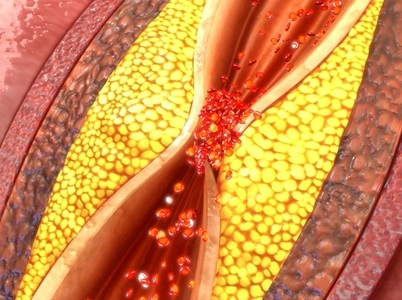
UCLA researchers have engineered a new type of immune cell capable of attacking artery-clogging plaque from three different angles at once. The “triple-threat” cells outperformed an existing single-target approach in mice, lab-grown blood vessels and human artery tissue.
Atherosclerosis, the fatty buildup inside artery walls, remains difficult to treat even with cholesterol-lowering and anti-inflammatory drugs because plaques contain several different harmful cell types that reinforce each other’s damage. For example, smooth muscle cells turn aggressive and scar-forming, alongside macrophages that become overloaded with cholesterol, swell into foam cells and pump out inflammatory signals that provoke the smooth muscle cells further. Existing fibroblast activation protein (FAP)-targeting CAR-T cells attack only the smooth muscle cells, leaving the inflamed macrophages and foam cells untouched.
To address this, UCLA scientists built FAP.CAR-NKT cells. Rather than starting with a standard T cell, they used a rarer, more versatile immune cell called an invariant natural killer T cell, or NKT cell, and added the FAP-targeting mechanism on top.
The resulting cells can detect plaque threats three separate ways: the engineered targeting system for rogue smooth muscle cells, a natural receptor that recognizes fat-related molecules on macrophages and foam cells, and built-in sensors that detect stress markers from unhealthy foam cells.
In their study, published in Circulation Research, the researchers tested FAP.CAR-NKT cells across a mouse model of atherosclerosis, a lab-grown vessel-on-a-chip and donated artery tissue from patients with severe heart disease. The triple-threat cells consistently outperformed the single-target version—producing smaller, less fatty plaques in mice and clearing multiple harmful cell types in the lab-grown vessel and human tissue. The engineered cells also showed no signs of toxicity in mice, likely because FAP is rare in healthy tissue.
Cell-based immunotherapies have so far struggled to make a meaningful impact against atherosclerosis, the underlying driver of most cardiovascular disease and the leading cause of death worldwide. The researchers say this early but meaningful step is evidence that fighting plaque on multiple fronts at once could succeed where single-target approaches have not.
Next, the researchers plan to determine how long the treatment's effects last and identify the right dosing as they work toward a new class of atherosclerosis treatment.
Data from UCLA