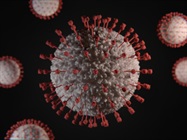
A new study published in the journal, Blood, has reported that T-cells from COVID-19 Patients can be multiplied in the lab and maintain the ability to effectively target proteins that are key to the virus’s function.
"We found that many people who recover from COVID-19 have T-cells that recognize and target viral proteins of SARS-CoV-2, giving them immunity from the virus because those T-cells are primed to fight it," says Michael Keller, M.D., a pediatric immunology specialist at Children's National Hospital, who led the study. "This suggests that adoptive immunotherapy using convalescent T-cells to target these regions of the virus may be an effective way to protect vulnerable people, especially those with compromised immune systems due to cancer therapy or transplantation."
"We know that patients who have immune deficiencies as a result of pre-existing conditions or following bone marrow or solid organ transplant are extremely vulnerable to viruses like SARS-CoV-2," says Catherine Bollard, M.D., M.B.Ch.B., senior author of the study and director of the novel cell therapies program and the Center for Cancer and Immunology Research at Children's National. "We've seen that these patients are unable to easily clear the virus on their own, and that can prevent or delay needed treatments to fight cancer or other diseases. This approach could serve as a viable option to protect or treat them, especially since their underlying conditions may make vaccines for SARS-CoV-2 unsafe or ineffective."
The T-cells were mostly grown from seropositive SARS-CoV-2 blood donors. A large portion of vaccine research focuses on specific proteins found mainly on the "spikes" of the coronavirus SARS-CoV-2. The finding that T-cells are successfully targeting a membrane protein instead gives another direction for researchers in vaccine development.