Organic synthesis of new drug molecules and the improvement of existing drugs relies on precise chemical manipulations, some of which are more difficult to achieve than others. Hydroxylation of C-H bonds is one useful technique used in pharmaceutical development, and while molecular oxygen (O2) would be a convenient oxidant in this process, it is surprisingly difficult to use for selective C-H oxidation, especially when working with heterocyclic compounds. Recently, chemists at Scripps Research Institute developed a new method for directed C-H hydroxylation with O2 by using a palladium catalyst with a shape-shifting ligand to add hydroxyl groups to previously inaccessible positions on heterocyclic rings.
The scientists utilized tautomeric pyridone as a ligand with palladium and found that the improved catalyst could efficiently facilitate hydroxylation at ring positions adjacent to carboxylic acid substituents. While the monooxygenase cytochrome P450 performs similar reactions using O2 in nature, a more flexible metal catalyst had not previously been developed to achieve this selective reaction.
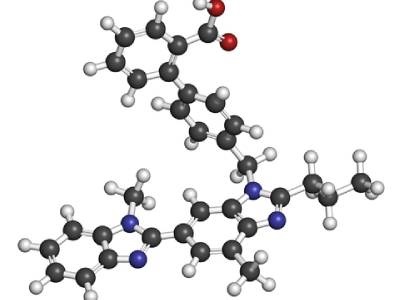
The study authors posited that the ability of the ligand to interconvert between pyridone and pyridine played a role in its effectiveness in facilitating the reaction. They demonstrated the value of the new method by using it to modify a variety of existing drugs, including telmisartan, probenecid and meclofenamic acid. The research was published in the journal Science.
“We expect this method to be adopted widely for building potential new drug molecules and for modifying and even repurposing existing drugs,” said principal investigator Jin-Quan Yu.
The technique overcomes traditional limitations of hydroxylation in organic synthesis and allows for increased flexibility in late-stage modification of compounds of pharmaceutical interest.