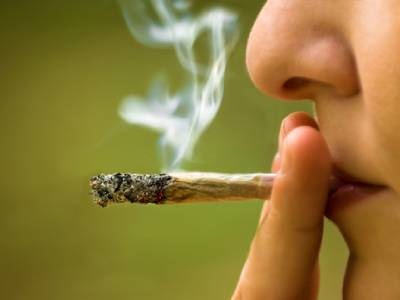
Nearly 40 US states have legalized medical cannabis use, and nearly 20 allow recreational use, with that number likely to rise in the coming years. While much research has focused on the impact of medical marijuana on the demand for other prescription drugs, as well as the impact of recreational use legalization on opioid demand in particular, little research has examined how legalizing recreational marijuana could affect the demand for other prescriptions for pain, psychological symptoms or other disorders. Researchers at Cornell University have now reported that states that legalized recreational cannabis have seen significant decreases in the volume of prescriptions for certain drug classes among Medicaid enrollees.
The researchers analyzed data from the Centers for Medicare and Medicaid services in all 50 states from 2011 to 2019, a period that saw growth in the number of states permitting personal marijuana use. The team used a series of two-way fixed effects event study models to analyze the data. The study focused on nine classes of prescription drugs with indications for substitutive clinical cannabis applications, including drugs to treat pain, depression, anxiety, seizures and psychosis.
The team found that states allowing recreational cannabis use saw a significantly lower demand for prescriptions in drug classes that align with the medical indications for pain, depression, anxiety, sleep, psychosis and seizures. The researchers did not find any significant change in demand for drugs to treat nausea, spasticity or glaucoma. The greatest reduction in demand was seen for prescriptions related to anxiety (12.2%), followed by depression (11.1%), sleep (10.8%) and psychosis (10.7%). This study was published in the journal Health Economics.
“These results have important implications. The reductions in drug utilization that we find could lead to significant cost savings for state Medicaid programs,” said first author Shyam Raman. “The results also indicate an opportunity to reduce the harm that can come with the dangerous side effects associated with some prescription drugs.”
The researchers cautioned that cannabis use itself is not without harm, noting that many studies associate cannabis use with the potential triggering of anxiety and psychoses. The team also noted that self-treating medical conditions with cannabis could pose the risk of distancing patients from their medical care providers. Because the data used in the study does not capture patient-level wellness, the long-term effects of substitution away from prescription medications is still unknown.