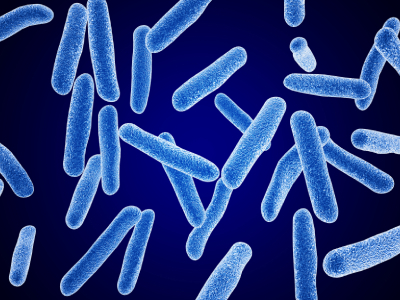
University of Nottingham researchers have discovered the genetic factors responsible for making the bacteria behind cholera so dangerous. By identifying these key genetic factors, more targeted treatment strategies can be developed to allow for better treatment and outbreak prevention.
Published in Nature Communications, the research relies on a combination of machine learning, genomics techniques, and 3D structural analysis to reveal the genetic secrets of Vibrio cholerae.
Vibrio cholerae is the bacteria responsible for cholera, a diarrheal disease that is responsible for over 140,000 deaths worldwide each year. Despite their best efforts, researchers have struggled to pinpoint the genetic factors responsible for the evolution of Vibrio cholerae.
In the study, the team analyzed bacterial samples from six regions within Bangladesh. A set of unique genes and mutations were discovered in the most recent and dominant straight of Vibrio cholerae. These genetic traits, the researchers discovered, are responsible for the bacteria's ability to cause severe symptoms that could lead to death.
"By identifying the key genetic factors that drive both the transmission and severity of cholera, we've taken a significant step toward developing more effective treatments and targeted interventions," said Professor Tania Dottorini from the University of Nottingham. "This could save thousands of lives, not just in Bangladesh, but globally."
The new computation framework developed by the team provides a significant step forward in the fight against cholera. With the key genetic factors responsible for Vibrio cholerae's severity identified, researchers can begin the development of enhanced treatments and strategies to control or prevent future outbreaks.
"Our findings open the door to a new era of cholera research, where we can develop tools to predict and potentially prevent severe outbreaks before they occur," added Dottorini. "The ultimate goal is to translate these insights into real-world solutions that protect vulnerable populations."