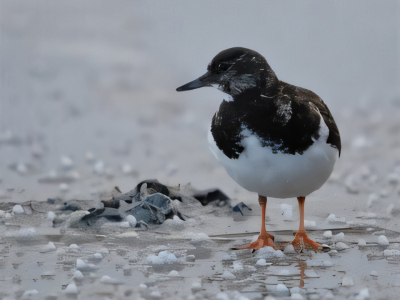
A new analysis method called Total Oxidizable Precursor (TOP) assay is improving PFAS detection and leading to additional discoveries of large quantities of the compounds in birds. PFAS are a large group of environmental toxins which do not break down in the natural environment and are confirmed to have numerous harmful effects on humans and animals alike.
"PFAS have received a lot of attention in recent years. This is because they are so widely used in industry, at the same time as these substances can also be harmful to many different organisms," said postdoctoral fellow Junjie Zhang.
In their research, published in the Journal of Hazardous Materials, the team utilized the new detection assay to analyze samples from migratory birds and the shellfish they consume. A benefit of the TOP assay is its ability to more easily detect the substances which break down into PFAAs (perfluoroalkyl acids), a specific group of PFAS compounds which to date are poorly understood through a lack of research.
The results of their study suggest that PFAS may originate from sources that are yet unknown, highlighting the importance of additional research on the source of environmental PFAS contamination. "The TOP results show a significant increase in several types of harmful substances in all of the samples," Zhang added.
"We need to find out more about the sources, but also about the effects PFAS have on wading birds, other animals and humans," concluded Professor Veerle Jaspers in the NTNU Department of Biology.