Clinical trials for new medication and vaccine candidates comprise three phases aimed at evaluating safety, immunogenicity and efficacy. In the first phase, safety is typically determined by evaluating dosage. The question is always: what is the minimum dose that will cause an immune response? Identifying that dosage number reduces potential side effects and avoids toxicity concerns and the pitfalls of overmedication.
In vaccine clinical trials, this is accomplished using the “dose escalation” method, in which one trial participant receives a lower dose and is boosted with that same lower dose, while a second receives a higher dose and is boosted with that same higher dose, and so on and so forth.
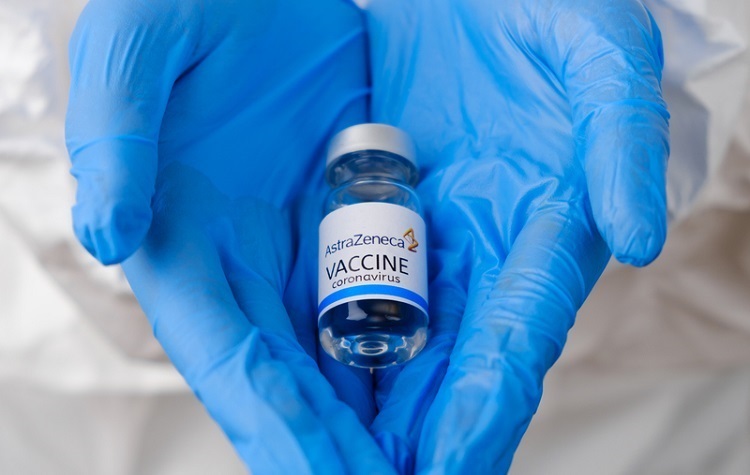
Now, however, a rare dosing error made during an AstraZeneca-University of Oxford COVID-19 vaccine trial is prompting a re-evaluation of these tried-and-true protocols.
During the AstraZeneca-Oxford trial, some participants erroneously received a half dose of their first shot, followed by a full dose for their second shot. As it turned out, volunteers who received the lower dose of the first shot were better protected against COVID-19 than those who received two full doses.
However, it was not clear if the improvement of the low-dose vaccine was due to the dose itself or the fact that people who received the lower dose also had a longer time between the first and the second shot, known as an extended prime-boost interval. Optimization of prime-boost regimens could obviate the need for third booster shot, now recommended for people over 65 years old, as well as patients at high risk of severe illness.
Wishing to explore this accidental discovery further, scientists from Northwestern University injected an adenovirus serotype 5 vaccine similar to the AstraZeneca-Oxford version into mice at either a low dose or standard dose, before following up four weeks later with a standard dose booster shot.
As expected, the mice that received the low dose primer showed lower SARS-CoV-2 T-cell responses in the weeks leading up to the 4-week standard dose booster. After the booster, however, the results flipped—mice initially primed with the low dose showed significantly higher T-cell responses compared with mice that received two standard doses of the vaccine.
The researchers also found that T cell responses in those mice primed with a low dose exhibited more pronounced central memory markers, showed higher levels of the CD44 activation marker, and lower levels of the inhibitory PD-1 receptor.
Additionally, mice primed with the low dose showed elicited a 72-fold improvement in neutralizing antibody response 6 weeks after the booster, compared with mice that received the standard dose primer.
“These data suggest that recall immune responses are inversely proportional to the priming dose,” the authors write in their paper, published in Science Immunology. “Future studies should determine if the improvement of recall responses in the low dose-primed mice is dependent on the level of antigen expression, and whether similar effects can be observed with other vector platforms different than A adenovirus serotype 5.”
Thus far, the research team has tested the low dose primer approach on an experimental HIV vaccine based on an adenovirus vector and seen similar positive results, suggesting that these findings may be generalizable to other vaccines.
“With a pandemic, it’s ethically challenging to extend that prime-boost interval because you need people to get fully protected as soon as possible,” concluded lead author Pablo Penaloza-MacMaster, an assistant professor of microbiology-immunology at Northwestern. “But this approach may have its benefits in terms of improving the durability and magnitude of immune responses in the long run, which may be useful not just for SARS-CoV-2 vaccines, but also for other vaccines.”