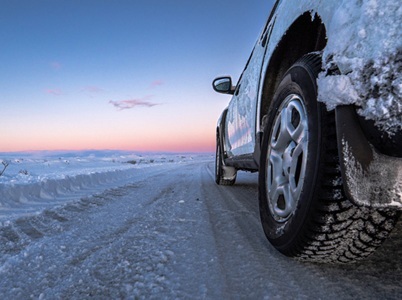
Chemists have found a—literal and figurative—green solution to improve the durability of roads and sidewalks in regions where snow and ice cause damage during the winter.
Researchers at Arizona State University and Pacific Northwest National Laboratory report that algae-derived asphalt binder reduces cracks when compared with a conventional, petroleum-based binder, especially in areas where temperatures reach below freezing.
Currently, asphalt is held together with bitumen: a thick, glue-like substance made from crude oil. Bitumen binds the sand and rocks that make up paved surfaces and allows the asphalt to expand and contract in hot and cold conditions, respectively. However, when the temperature rapidly drops below freezing, the binder becomes brittle and can crack, leading to roadway damage.
For this study, published in ACS Sustainable Chemistry & Engineering, researchers used computer models to evaluate oils from four algae species for their abilities to produce bitumen-like products that mixed well with asphalt solids and retained functionality in freezing temps. Of the four algal species, oil from the freshwater green microalga Haematococcus pluvialis showed the most resistance to permanent deformation.
In the lab, H. pluvialis algae-asphalt samples created by the researchers showed up to a 70% improvement in deformation recovery compared with pavement made with a crude oil-based binder. In addition to strengthening roads, the team estimates that substituting 1% of the petroleum-based binder with algae-based binder would cut net carbon emissions from asphalt by 4.5%. At around 22% algae-based binder, asphalt could potentially become carbon neutral. The researchers say this approach paves the way toward high-performance, cost-effective and sustainable pavement infrastructure.
Data from American Chemical Society