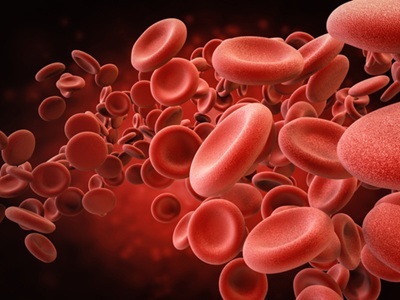
Extreme endurance running damages red blood cells in a way that may accelerate aging, according to a new study by an international research team from Colorado and France.
While previous studies have shown that ultramarathon runners experience a breakdown of normal red blood cells during races—potentially leading to anemia—the causes of this phenomenon have remained unclear.
In the study, researchers collected blood samples from 23 runners immediately before and after long-distance races and analyzed thousands of proteins, lipids, metabolites and trace elements in their plasma and red blood cells. According to the results, runners’ red blood cells consistently showed evidence of damage from both mechanical and molecular drivers. Mechanical damage to red blood cells likely resulted from running-induced variations in fluid pressure as blood cells circulate through the body, while molecular changes likely resulted from inflammation and oxidative stress.
These patterns of damage, which essentially accelerate the aging and breakdown of red blood cells, were clearly seen after 40-kilometer races and were amplified in athletes who ran 171-kilometer races. Based on this observation, researchers speculate that as the length of a run increases, athletes can expect to lose more blood cells and accumulate more damage to those remaining in circulation.
“At some point between marathon and ultra-marathon distances, the damage really starts to take hold,” said the study’s lead author, Travis Nemkov, associate professor in the department of biochemistry and molecular genetics at the University of Colorado Anschutz. “We’ve observed this damage happening, but we don’t know how long it takes for the body to repair that damage, if that damage has a long-term impact, and whether that impact is good or bad.”
With further study, the researchers say future insights into how the body responds to the extreme conditions of endurance exercise can inform approaches to handling and preserving stored blood, which begins to break down after a few weeks of storage, rendering it unusable for transfusions after 6 weeks.
Data from American Society of Hematology