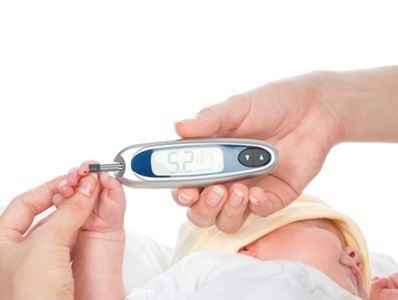
Most research has investigated causes of disease in coding genes, or those that produce proteins. Now, researchers at the University of Exeter have found DNA changes in two genes that instead make functional RNA molecules—and the genes may be the cause of diabetes in babies.
In a study published in American Journal of Human Genetics, researchers found that changes in two genes called RNU4ATAC and RNU6ATAC were the cause of autoimmune neonatal diabetes in 19 children.
Neonatal diabetes is a rare form of diabetes that occurs within the first six months of life and is caused by genetic changes. The team used state-of-the-art laboratory and computational methods to analyze the children’s samples and found that the mutation in the two non-coding genes was causing disruption to around 800 other genes, many linked to the immune system.
“Combining the DNA sequencing results with detailed analyses of the patients’ blood samples gave us a much deeper view of how these DNA changes play out inside the cell,” said co-first author of the study James Russ-Silsby. “This is helping us understand how these DNA changes result in diabetes.”
Understanding the cause of neonatal diabetes not only opens the potential for new treatments and better care, but it also gives more insight into rare diseases in general—information that is desperately needed.
“With up to half of individuals with rare diseases currently living without a diagnosis, exploring the non-coding DNA can provide answers for families with rare conditions,” said study lead Elisa De Franco, associate professor at the University of Exeter Medical School.
Data from University of Exeter