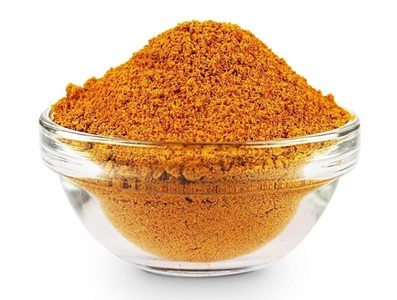
Around 9% of this dried marigold powder is protein with properties that suggest it could be a functional ingredient in future foods. Adapted from ACS Food Science & Technology 2026, DOI: 10.1021/acsfoodscitech.5c01215
Society’s current fascination with high-protein foods means plant-based protein now appears in many food products. But rather than growing plants just for their protein, researchers at the University of Georgia wondered if edible flowers could be a new, sustainable plant-based protein source.
“Marigold flowers are widely cultivated, yet an estimated 40% of production is discarded as waste, especially after ornamental use,” says Anand Mohan, corresponding author of the study. “We saw an opportunity to valorize this agricultural byproduct by exploring its protein fraction, given the growing demand for plant-based and sustainable food ingredients.”
For the study, published in ACS Food Science & Technology, researchers ground pot marigold flowers (Calendula officinalis) into a fine powder and isolated proteins in four sequential liquid extractions, collecting different protein molecules into each mixture. Their tests showed that some protein extracts contained high levels of glutamic acid and aspartic acid, which could add umami taste to foods.
Additionally, marigold proteins stayed stable up to 221 F, which is hotter than temperatures tolerated by other plant proteins like pea and chickpea. Researchers also noted that two specific protein extracts had excellent emulsifying capacity, suggesting their suitability for salad dressings, mayonnaise and dairy substitutes.
Mohan says the marigold protein’s emulsifying, hydrating and antioxidant effects make it ideal for nutrient-enriched food formulations. The flower could improve the taste, stability and texture of bakery products and emulsion-based foods.
The researchers next plan to study the health benefits of marigold protein and use it as an ingredient in baked goods and products like salad dressings, which they’ll taste-test with consumers.
Data from American Chemical Society