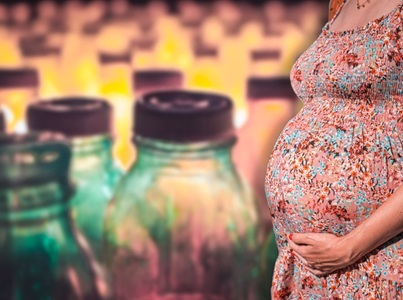
In one of the largest studies of chemical exposures during pregnancy to-date, new research has found that pregnant women are exposed to dozens of everyday chemicals, many of which can impact how early a child is born or a child’s weight at birth—and continue to influence health throughout their life.
Phthalates and replacement plasticizers, in particular, are found in many baby care products, such as toys, diaper creams, shampoos and more. In 2017, the United States Consumer Product Safety Commission permanently banned or severely limited use of eight common phthalates in children’s toys and products because of exposures can result in harmful health effects. However, this action did not address other products, including those used in pregnancy. The new study found several additional phthalates, including those that replaced banned phthalates, and plasticizer chemicals in women’s samples.
The study, published in JAMA Network Open, included more than 5,000 pairs of mothers and children born between 2000 and 2021 and collected data on chemicals found in maternal urine samples, pregnancy duration and birth weight.
Researchers tested for 113 different chemicals commonly found in homes and in air, food, and water and found that, on average, 45 were present in each sample (the maximum they observed in a sample was 64).
The team then examined how differences in gestational age and birth weight were linked to these chemical exposures. Several phthalates and alternative plasticizers showed a consistent association with earlier delivery. Phthalates, replacement plasticizers and PAHs were also linked to lower birth weight. Some less-studied chemicals that the researchers identified, including halogenated phenols, were also associated with lower birth weight. The researchers identified plasticizers recently introduced to replace toxic chemicals like phthalates. However, these newer substances had similar health effects to the chemicals they replaced.
“We found that several newer chemicals used to replace toxic ones are also harmful, which underscores why new and replacement chemicals must be properly evaluated before they are put on the market,” said senior researcher Tracey Woodruff, professor of epidemiology and population health at Stanford. “Further, government agencies that evaluate health risks for toxic chemicals like phthalates should incorporate our findings to reduce exposures and ensure healthier pregnancies."
Data from UNC