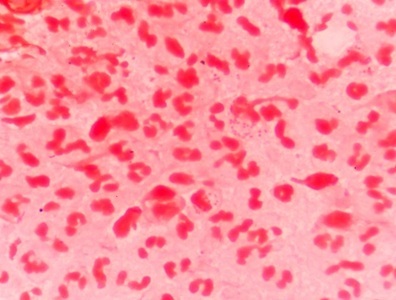
A growing number of European countries are detecting gonorrhea strains resistant to ceftriaxone, the frontline antibiotic used to treat the infection, according to a new risk assessment from the European Centre for Disease Prevention and Control.
The assessment examined the surge in ceftriaxone-resistant Neisseria gonorrhoeae infections across Europe since 2022, drawing on data from 11 countries including Germany, France, Spain, Sweden and the United Kingdom. Researchers found evidence that resistant strains are no longer just arriving from abroad—they are now spreading domestically within Europe, a shift that has developed over the past two years.
For the assessment, published by the European Centre for Disease Prevention and Control, investigators traced early detections of resistant cases largely to travel-related importation from Southeast Asia, historically the main route of introduction into Europe. But the newer data show local transmission chains taking hold, raising concern that resistant strains could become established rather than remaining isolated, travel-linked events.
Gonorrhea is one of the most common bacterial sexually transmitted infections worldwide, with an estimated 82 million cases annually. The EU/EEA logged more than 106,000 confirmed cases in 2024 alone, the highest total since surveillance began in 2009. Left untreated, the infection can cause pelvic inflammatory disease, infertility and ectopic pregnancy.
The overall risk to the general sexually active population remains low, but it is elevated for people with multiple or new sexual partners, those who forgo barrier protection, sex workers and their clients, and travelers to regions with high rates of drug-resistant strains.
“Local transmission of ceftriaxone-resistant gonorrhoea in Europe is a warning sign we should not ignore,” said Csaba Ködmön, an ECDC microbiology expert. “If highly drug-resistant strains become established and continue to spread, treatment options could become increasingly limited.”
Going forward, ECDC is urging public health authorities to strengthen surveillance, expand antimicrobial susceptibility testing and promote timely diagnosis and treatment to catch resistant strains early and keep the common STD treatable.
Data from ECDC