PFAS encompass over 12,000 compounds that fall into distinct classes with vastly different chemical, biological and toxicological properties.
Now, one group of experts is sounding the alarm for the need to distinguish between the different classes of PFAS. Specifically, scientists/clinicians with the Heart Rhythm Society are concerned about fluoropolymers, a specific class of PFAS that are not considered environmental contaminants and are indispensable for use in medical devices.
Fluoropolymers have been used in clinical medicine for more than 50 years with no clinical evidence of disease association. They play important roles in the medical device industry owing to their unique combination of biostability that resists chemical and biological degradation, dielectric
property, flexibility, thin-layer processability, thermal stability, low friction, corrosion resistance and
biocompatibility.
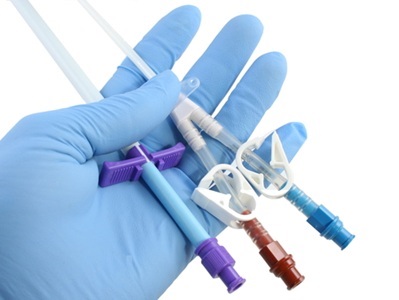
According to the U.S. Food and Drug Administration, approximately 250,000 approved medical devices contain fluoropolymers. They must undergo extensive biocompatibility and pre-clinical testing in order to be approved and have not been linked to any health issues. This is because fluoropolymers differ from more toxic PFAS like PFOA and PFOS in three critical aspects: Their molecular weights are at least 200 times larger, they are water-insoluble owing to the absence of hydrophilic or polar functional groups, and they lack chemically active functional groups in their structure. Additionally, fluoropolymers are not classified as PBT (persistent, bio-accumulative and toxic).
Still, fluoropolymers are considered PFAS, meaning broad regulation could limit their availability. In fact, the paper authors from the Heart Rhythm Society say proposed regulations are already damaging the supply chain for fluoropolymers. Even in states where medical exclusions apply, clinicians have noted a decrease in fluoropolymer supply.
An additional problem presented by low supply: there are no known alternatives to fluoropolymers. Even if alternative materials were identified, replacing medical-use fluoropolymers would require years, even decades, of R&D followed by additional years of regulatory approvals.
“Loss of access to fluoropolymers will have profound negative effects for our patients and on the practice of medicine, especially cardiac electrophysiology. It is critical to find a path that protects our environment but ensures the availability of fluoropolymers that are essential in medical devices, minimally invasive procedures, and drives ongoing innovation in medical technology,” concluded Pierce Vatterott, Heart Rhythm Society member and clinician from the Minneapolis Heart Institute.