Study Describes Cleaner, More Resilient Supply Chain for Critical Battery Anode Material

 Study Describes Cleaner, More Resilient Supply Chain for Critical Battery Anode Material

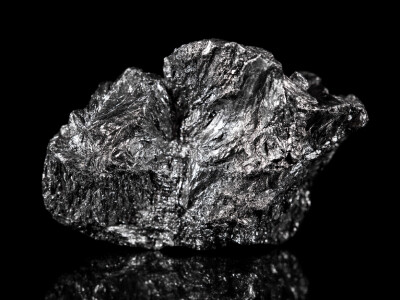
Since becoming central to next generation energy storage technologies, the graphite supply chain has been a growing point of concern for many. Even as demand has outpaced that of lithium, graphite production remains a highly concentrated, carbon intensive process.

Rice University researchers recently published an article in the journal Nature Reviews, which trace the minerals transformation from industrial commodity to critical mineral. The team also outline emerging solutions which could make graphite production cleaner and more resilient to supply chain challenges.

In addition to describing a cleaner method for graphite extraction, the team also highlight the potential for manufacturing synthetic graphite from renewable sources such as biomass or captured carbon dioxide.

Subscribe to our e-Newsletters!
Stay up to date with the latest news, articles, and events. Plus, get special offers from Labcompare – all delivered right to your inbox! Sign up now!

More News

  • Researchers Propose New Regulations for Food Packaging Chemicals

    Scientists have proposed a new way to prioritize regulatory review of the more than 15,000 chemicals used in food packaging and other food contact materials, most of which currently lack the safety data needed to protect consumers. read more
  • Brain Activity Mirrors the Shape of Each Breath

    Each individual breath—not just breathing rate—is closely linked to the pattern of electrical activity in brain regions tied to cognition, emotion and memory, according to a new study that could help explain how breathing disorders turn deadly. read more
  • Body's Organs Age in Distinct, Synchronized Waves

    The human body doesn't age at a single, steady pace. Instead, each organ follows its own timeline, and organs that age quickly tend to have "aging partners" that speed up in sync, according to a new study that mapped structural aging across 40 types of tissue. read more