Versatile Fume Hood Made of Non-metallic Materials

 Versatile Fume Hood Made of Non-metallic Materials

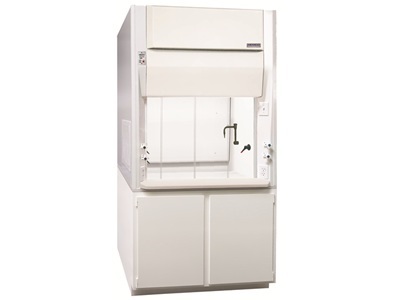
UniFlow Polypro Trace Metal Fume Hoods are specifically designed for applications where for accurate testing results, the fume hood must be constructed of non-metallic materials.

Trace Metals Fume hoods are ideal for water treatment, marine and soil sciences, environmental toxic analysis, and toxicology. The fume chamber and integral work surface are welded one-piece seamless of white polypropylene. The baffle is fabricated of the same white polypropylene and the exterior is constructed of chemical and flame-resistant white composite resin. The hood is equipped with front horizontal sliding sashes, either tempered glass or polycarbonate, with four sash panels on two tracks, vapor-proof lighting, switches, and exhaust collar.

A wide selection of accessories and services are offered including polypropylene cabinets to maintain the non-metallic requirement. The fume hood is offered in 48”, 60”, 72”, and 96” wide models in either 30” or 36” depths.

Subscribe to our e-Newsletters!
Stay up to date with the latest news, articles, and events. Plus, get special offers from Labcompare – all delivered right to your inbox! Sign up now!

More News

  • Researchers Propose New Regulations for Food Packaging Chemicals

    Scientists have proposed a new way to prioritize regulatory review of the more than 15,000 chemicals used in food packaging and other food contact materials, most of which currently lack the safety data needed to protect consumers. read more
  • Brain Activity Mirrors the Shape of Each Breath

    Each individual breath—not just breathing rate—is closely linked to the pattern of electrical activity in brain regions tied to cognition, emotion and memory, according to a new study that could help explain how breathing disorders turn deadly. read more
  • Body's Organs Age in Distinct, Synchronized Waves

    The human body doesn't age at a single, steady pace. Instead, each organ follows its own timeline, and organs that age quickly tend to have "aging partners" that speed up in sync, according to a new study that mapped structural aging across 40 types of tissue. read more